WASI Preview 2 officially launched! After a vote in the WASI Subgroup of the W3C WebAssembly Community Group, the standard set of interfaces included in the launch of Preview 2, aka WASI 0.2.0, is ready for use by library implementers. We've been closely tracking the different release candidates of WASI 0.2.0 over the last 6 months, and wasmCloud will update its runtime WIT definitions to the pinned versions in just a few days.
9 posts tagged with "WASI"
View All Tags

Do you need runwasi to run WASI?
If you’ve been following anything in the Cloud Native space right now, chances are that you’ve heard of WebAssembly (Wasm). As someone who works at a Wasm company, it should come as no surprise that I think Wasm is the future of software development. But, let’s be honest, you probably aren’t going to just dismiss Kubernetes and go all-in on the first Wasm-related project you find.
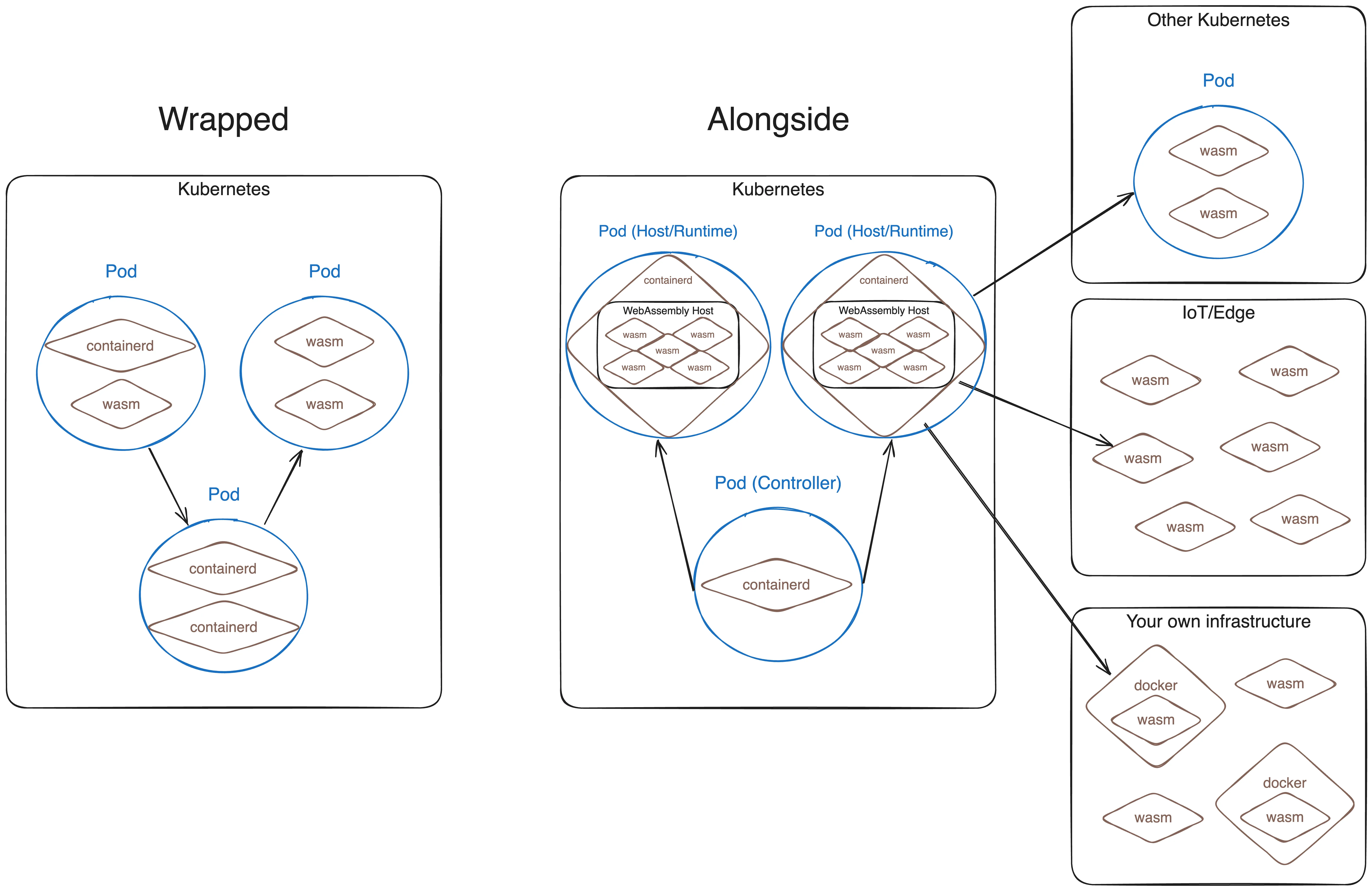
At Cosmonic, we’ve always believed it important that Wasm and wasmCloud (the soon-to-be incubating CNCF project we contribute to and help maintain) are compatible with, but not dependent on any pre-existing technology. Guided by that principle, we have long provided integrations with Kubernetes, as most people operating in the cloud native ecosystem are running in or integrated with it. What has been interesting to see is how people are choosing to integrate with it. This post outlines a couple of ways to integrate Wasm with Kubernetes, and it gives a clue as to why we’ve designed our platform to integrate with Kubernetes the way it does. With that in mind, let’s dive in!
WasmCon: Highlights, Insights and Opinions
After a week spent in the company of WebAssembly (Wasm) experts and enthusiasts, we've come away from the Linux Foundation's inaugural WasmCon with one conclusion - WebAssembly is capturing developer imagination in all sorts of industries. As the Bytecode Alliance and W3C Wasm Working Group release the latest stable iteration of Wasm standards - WASI-preview 2.
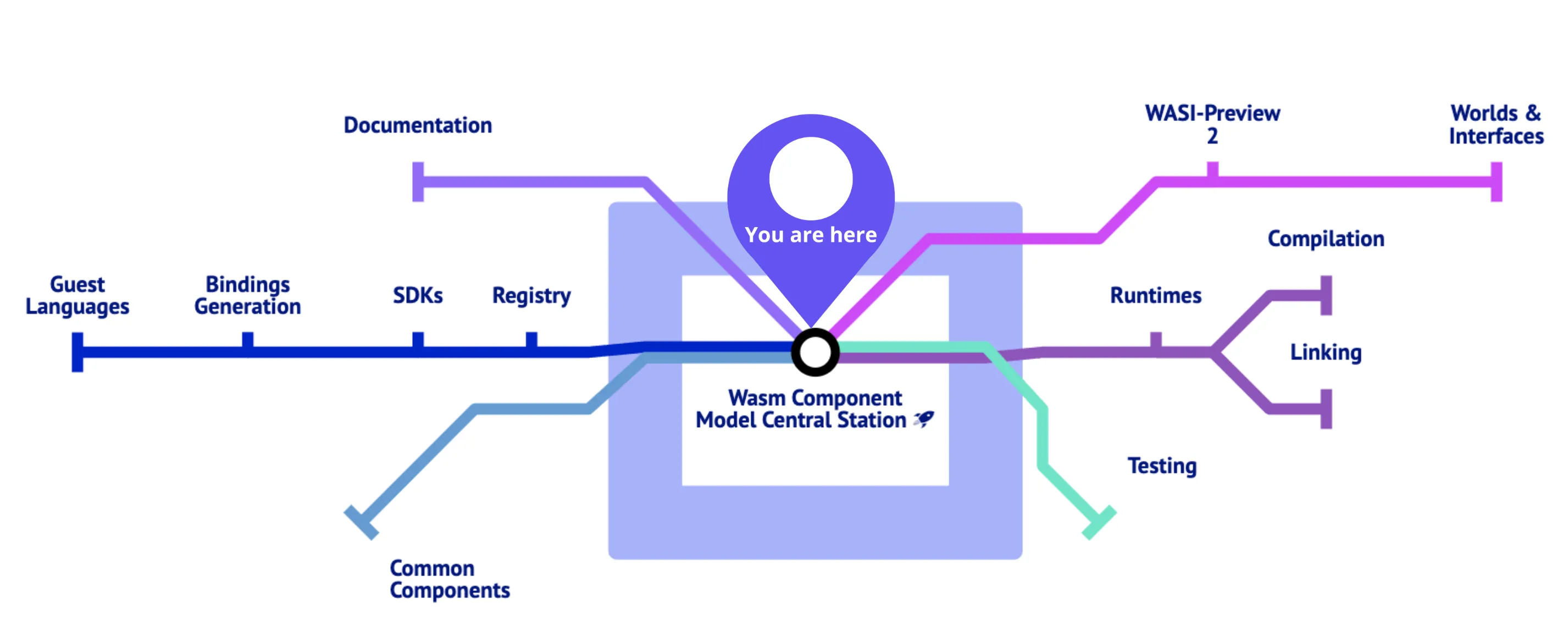
- A few major themes came through during the event. By far, the WebAssembly Component Model dominated conversations with many looking to understand how it works and how close components are to stabilization. Language interoperability was also front of mind, and there was lots of fresh innovation on show: from Siemens' use of Wasm in embedded systems to fresh demos showing componentize-py in action.

Cosmonic Componentizes wasmCloud Ecosystem
- Component Model update published: WASI-Preview 2 now MVP
- Cosmonic componentizes wasmCloud and Cosmonic PaaS
- Creates standards-based, vendor-neutral environment for building distributed apps
- Spurs wave of PaaS innovation


For the Wit! My First Day with Components
Some thoughts and reflection on my first day using Wasm components for something more involved than hello world.

Bridge Wasm Gaps with Wasifills
An examination of how wasifills—a component adapter pattern like polyfills, but for
components—can help bridge the gap between today's rapidly changing standards landscape and the
future of interoperable components facilitated with wit and wit worlds. It's an amazing time to
be on the bleeding edge of the WebAssembly adoption curve, but it's not without risk.


Building the Component Model for Wasm
There are several new standardization efforts happening within the WebAssembly (Wasm) space, including what we believe to be a new way to write software applications. By way of describing this new model, I would like to dive into some of the history of Wasm as a way to describe where we are heading.

wasmCloud and .NET Orleans: Kindred Spirits
My list of projects and technologies to get into the lab for learning and experimentation is never-ending. However, this holiday gave me just enough time to take another look at Microsoft Orleans, a technological kindred spirit with wasmCloud.

.NET: Are we WebAssembly Yet?
With the recent release of the .NET Framework 7, I thought it might be a good excuse to check back in on the .NET WebAssembly ecosystem and see where things stand and what improvements have been made.