
As core contributors of CNCF Sandbox Project wasmCloud, it's always exciting to see specific industries prove that Wasm can bring real-world benefits and efficiencies. In particular, we love seeing how Wasm can compliment existing technologies—our work with Adobe is a great example of how wasmCloud can enhance Kubernetes infrastructures. On the reverse side of the same coin, a new use case, developed within the operations and services (OSS/BSS) side of the telecoms industry, has revealed the potential of Wasm as a replacement for Kubernetes.
Cosmonic Blog



Wasm on Kubernetes with Argo CD & Cosmonic
- Seamlessly operate WebAssembly across any K8s distribution via GitOps pipeline
- Orchestrate CNCF wasmCloud across K8s with Kubernetes Custom Resource Definition (CRD)
- Wadm supercharges Cosmonic Connect Kubernetes to create new Kubernetes controller

Do you need runwasi to run WASI?
If you’ve been following anything in the Cloud Native space right now, chances are that you’ve heard of WebAssembly (Wasm). As someone who works at a Wasm company, it should come as no surprise that I think Wasm is the future of software development. But, let’s be honest, you probably aren’t going to just dismiss Kubernetes and go all-in on the first Wasm-related project you find.
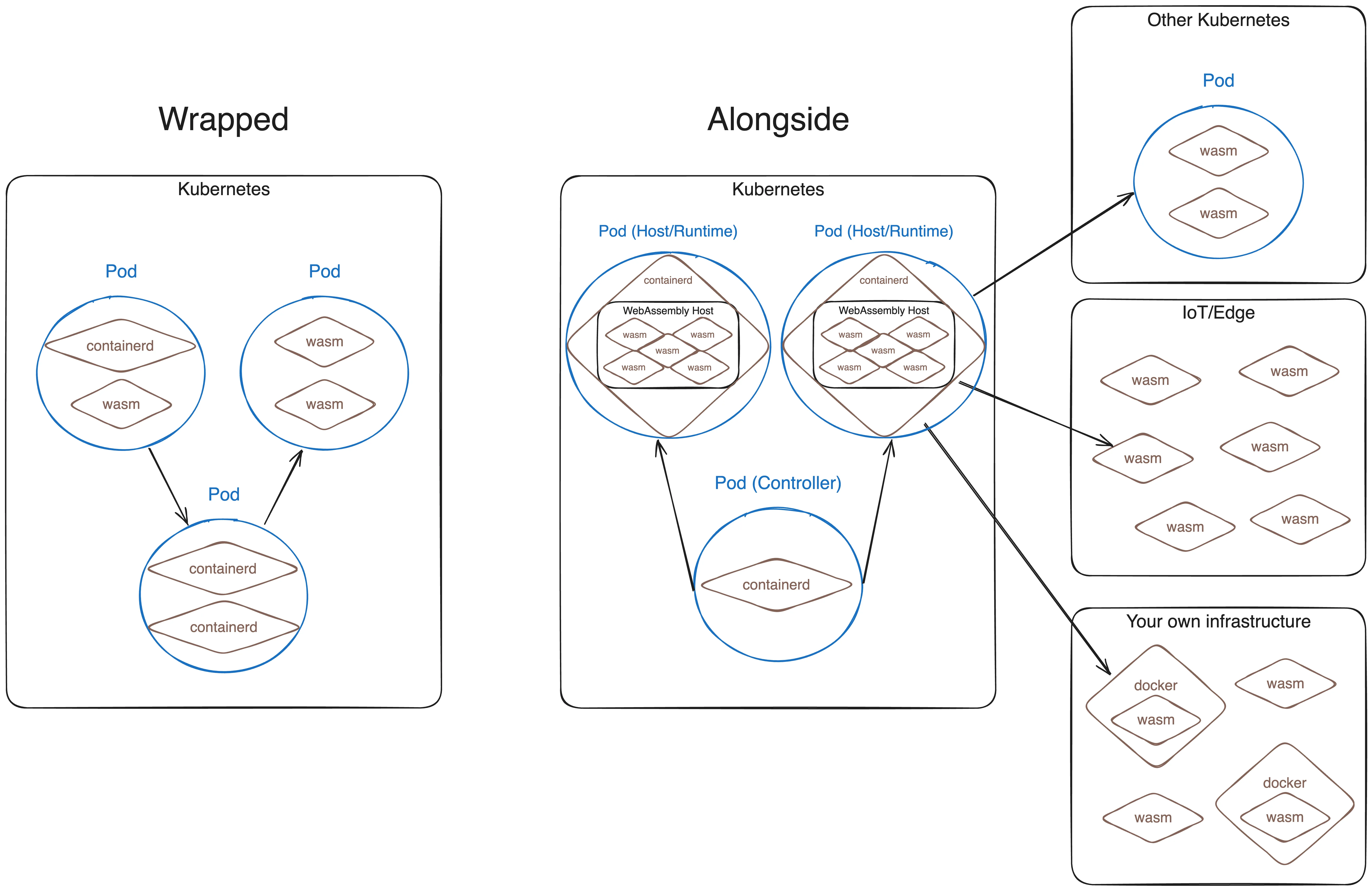
At Cosmonic, we’ve always believed it important that Wasm and wasmCloud (the soon-to-be incubating CNCF project we contribute to and help maintain) are compatible with, but not dependent on any pre-existing technology. Guided by that principle, we have long provided integrations with Kubernetes, as most people operating in the cloud native ecosystem are running in or integrated with it. What has been interesting to see is how people are choosing to integrate with it. This post outlines a couple of ways to integrate Wasm with Kubernetes, and it gives a clue as to why we’ve designed our platform to integrate with Kubernetes the way it does. With that in mind, let’s dive in!

Wasm Day Wrap Up - KubeCon NA 2023
Cloud Native Wasm day is a twice-a-year highlight for all of us at Cosmonic. As the years go on Wasm Day continues to evolve from development progress to practical applications and impressive use of the technology. Today we saw a significant focus on security, especially isolation, high performance Wasm use cases, and an emphasis on the flexibility of the technology itself.

Road to Chicago: KubeCon NA 2023 Preview
Just a few days until we get together again with our cloud native peers and friends. KubeCon + CloudNativeCon starts next week and we couldn't be more excited. Don't forget to visit us at the Cosmonic booth M21 and stop by the CNCF wasmCloud booth in the Projects Pavilion. We're looking forward to seeing everyone!

Where The Server Goes, Nobody Knows!
You've heard of the Grinch and the Cat in the Hat
But what about Wasm, did you hear about that?
Dive into this poem, take a quick look
The story of Wasm, in this neat little book


WIT Cheat Sheet: Wasm Interface Types
WIT, or Wasm Interface Types, allows WebAssembly modules to communicate with each other using complex data types. WIT is a language agnostic interface definition language (IDL) that enables composing WebAssembly components, regardless of source language, using language-specific bindings. If you're using a WIT-generated set of language bindings it will feel just like using a regular language SDK. If you're writing your own WIT, then this guide is for you!

WasmCon: Highlights, Insights and Opinions
After a week spent in the company of WebAssembly (Wasm) experts and enthusiasts, we've come away from the Linux Foundation's inaugural WasmCon with one conclusion - WebAssembly is capturing developer imagination in all sorts of industries. As the Bytecode Alliance and W3C Wasm Working Group release the latest stable iteration of Wasm standards - WASI-preview 2.
- A few major themes came through during the event. By far, the WebAssembly Component Model dominated conversations with many looking to understand how it works and how close components are to stabilization. Language interoperability was also front of mind, and there was lots of fresh innovation on show: from Siemens' use of Wasm in embedded systems to fresh demos showing componentize-py in action.
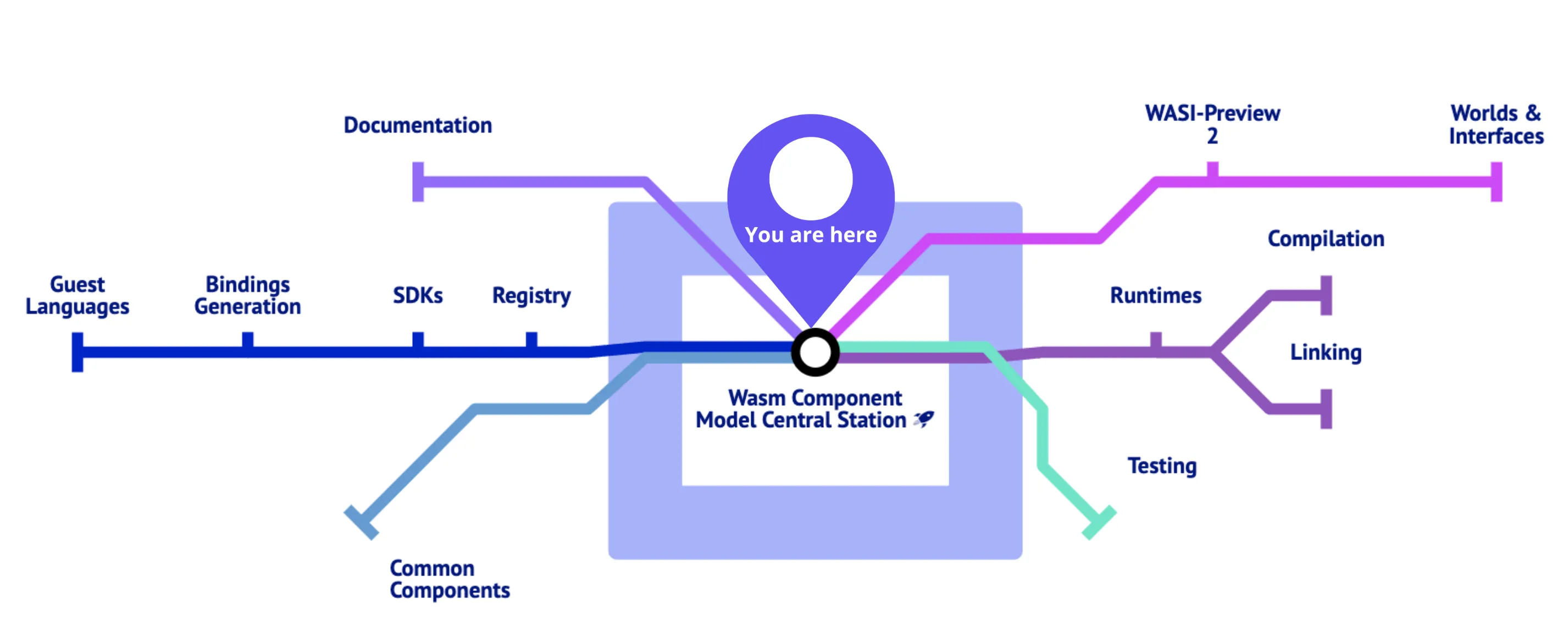

Cosmonic Componentizes wasmCloud Ecosystem
- Component Model update published: WASI-Preview 2 now MVP
- Cosmonic componentizes wasmCloud and Cosmonic PaaS
- Creates standards-based, vendor-neutral environment for building distributed apps
- Spurs wave of PaaS innovation


Event Sourcing with Concordance & wasmCloud
Making sure that the team has a holistic view of the event flows throughout an application while still being able to synchronize code, schemas, and documentation is probably harder than actually writing the code.